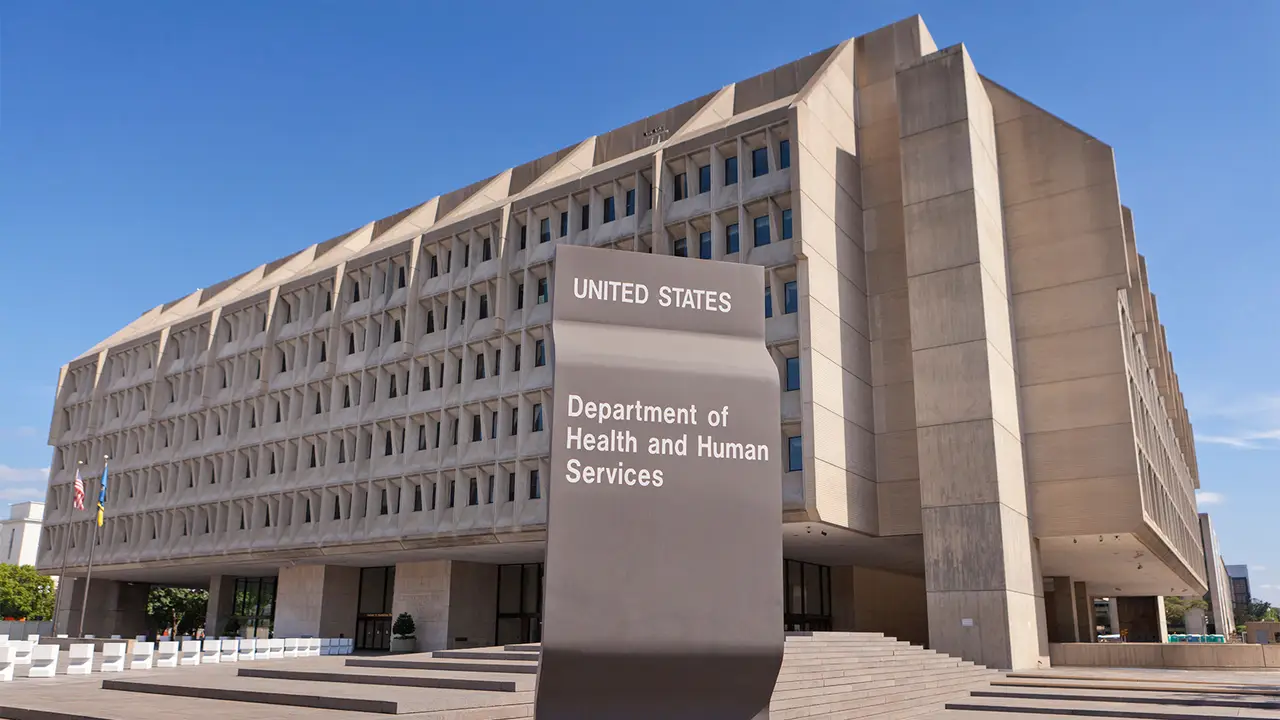
"I HAVE HAD TO WATCH 3 PATIENTS CRY AT BEDSIDE FOR NOT HEARING BACK ON THEIR PRIOR AUTH FOR KYPHOPLASTY/VERTABRAL AUGMENTATION PROCEDURE. THESE PATIENTS ARE IN DEEP PAIN." - WISeR Feedback Survey Responses
In March, the digital rights advocacy group the Electronic Frontier Foundation (EFF) sued CMS under the Freedom of Information Act. That lawsuit, dated March 25th, requested information on the function of AI algorithms employed under the CMS’ Wasteful and Inappropriate Service Reduction (WISeR) model, which pilots AI technology for prior authorization review in six states. At the time of the EFF lawsuit, the program faced bipartisan pressure for reported algorithmic bias, wrongful denial of care, and privacy violations.
This week, the CMS released over 1000 pages of its internal auditing of WISeR’s efficacy. The results are clear: deployed WISeR models were untrained and uncalibrated, physicians faced widespread delays and operational chaos, and patients were harmed directly.
Technical failures are widespread
Most concerningly, AI technical failure under WISeR is widespread, unchecked, and ungoverned. Consider Innovaccer, one of the program’s vendors. After the startup assessed that full technical functionality for its model was impossible due to unclear governance protocols and rushed testing, Innovaccer alerted CMS that it intended to go live with its software anyway. CMS, in turn, approved Innovaccer to auto-affirm all requests in lieu of technical functionality – which clearly undermines the entire point of the program.
More frequently, “weekly status reports and provider feedback in the released records show widespread” AI failures that produced authorization refusals and patient pain. The results have been disastrous:
[1] Vendors consistently failed to respond within 72 hours of prior authorization request required by the CMS and delayed medically necessary care. One authorization requests went unanswered for 83 days.
[2] Two vendors denied 20,000 prior authorization requests in the program’s first three months. One vendor, Vertix, denied more authorization requests than it approved.
[3] Vendors got paid for denials but not for reversals.
Patients "crying in pain"
Prior authorization, especially, affects patients seeking approval for necessary medical care – pages of the CMS record the plight of patients, whom, unable to obtain authorization for medically necessary care, physicians described as “crying in pain.”
I have had cases submitted and waiting over 1 1/2 months for a UTN to be generated ... In the meantime patients are having to be cancelled for surgeries they need. This is not acceptable, they are severely hindering patient care.
We have patients calling our offices crying in pain because their procedures are being while awaiting approvals or guidance tied to this model. A 3-4 day delay for necessary pain procedures is already difficult for vulnerable patients, but when providers cannot obtain answers for weeks, the situation becomes unacceptable.
Faulty AI outputs impacting patient safety is already a crisis across healthcare: ECRI, which helps health systems improve patient safety, reports that over 31% of hospitals encountered a faulty AI output over the past year. Of those health systems, over 9% had confirmed AI errors affected patients directly by impacting care decisions. Those are the known cases: ECRI reported that 35% of health systems were unsure whether errors had even occurred. Where error modes are obscured, damage to patients can’t be uncovered at all.
Limited accountability
Programs like WISeR are meant to aid healthcare in its quest for AI safety. Instead, WISeR typifies a pilot-to-deployment crisis in healthcare oft-reported by CHARGE. Read the CMS report clearly: even under the auspices of pilot programs, AI systems are impacting patients without end-to-end testing and confirmed functionality.
Today, health leaders fear that AIs which perform well in pilot programs or within limited sandbox environments will degrade in live clinical contexts. A recent Sinch survey of 470+ healthcare leaders reported that 75% of organizations have had to pull a running AI agent because of governance failures. But WISeR has no intentions of pulling models or standing down. Instead, even in the face of overwhelming failure, CMS records indicate the agency is looking to expand a floundering WISeR to “urgent or emergent bases” among them “air ambulance transport, cancer treatment” and “MRI scans.”
Without accountability, the risk to patients will balloon, trust will degrade, and AI will fail to deliver the better health outcomes we so desperately need. In the face of patient pain, healthcare leaders must develop clear, forward-looking governance standards and demand accountability from all vendors across all administrative geographies and all deployment contexts.
References
[3] https://www.cms.gov/files/document/wiser-fact-sheet.pdf
[5] Sinch survey: keyt.com/stacker-cybersecurity-privacy/2026/09/02/healthcares-ai-agents-are-failing-a-third-over-private-data-exposure/